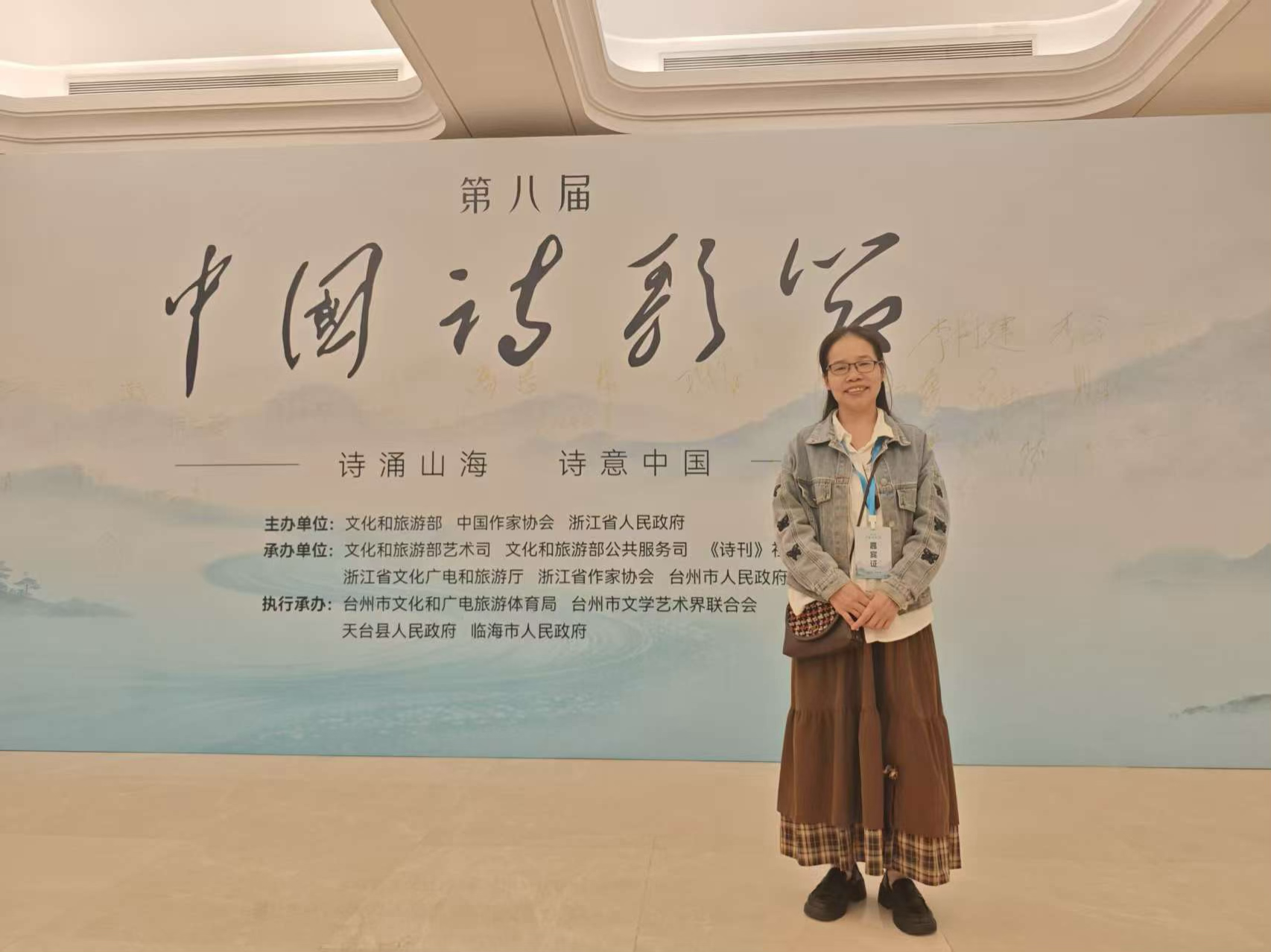
Issue 05|Wen Xiongzhen
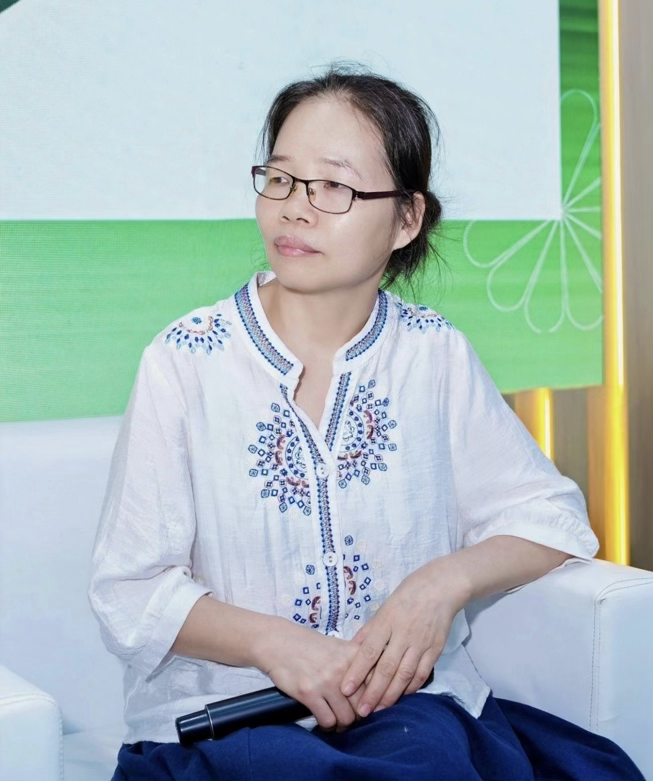
Wen Xiongzhen is a poet from Guangxi who has spent most of her adult life working in Dongguan, Guangdong Province—running a children's clothing stall by day and working in the evenings at a barbecue restaurant. She left home at fifteen, discovered poetry through Xi Murong's work in the early 1990s, and has been writing ever since—through years of factory work, street vending, and the demands of raising a family.
A member of the Guangxi and Dongguan Writers Associations, Wen has published poems in Poetry (诗刊), Chinese Writers (中国作家), and Stars (星星). Her debut collection was published by Huacheng Publishing House in 2025, the same year she was selected for a China Writers Association literary program. In December 2025, People's Daily featured her in a documentary.
I. Fire and Charcoal·炭与火
For Wen Xiongzhen, the charcoal fire is both part of her daily life and a way of understanding it. In these poems, the heat of the barbecue grill echoes the hardships she has endured, while charcoal becomes an image of survival, sacrifice, and quiet strength.
烧烤架上
没有人能从那场炙焰中把你解救出来,除非你
找到了那把梯子。婴儿还在啼哭
如此炭一样的夜
又一道闪电撕裂而下
这一次,你看清了埋伏在四周的墙壁
你一个小妇人,能懂什么叫量子力学
如此渴望光,又害怕火
一片片牛肉在你手中,串成串
一块块羊肉在你手中
串成了串
炉架上肉滋滋地响
遥远的地方,草原呜呜地哭
还有什么样的第二条路,除非丈夫离开病榻
你的孩子们,已快乐长大
那一夜,雨水在江面织黑色的花朵
你抱着死亡,仿佛只是一刻
又似乎过了很久
你喝停了体内厮杀的两个人
并把其中一个放在水花上
默默看她消亡
那一晚,东江面上的一盏渔火点到天明
那一晚
你把孩子们的妈妈领回家
你用另一种方式
比如黑色,和火红
也越来越爱轻的东西,比如灰烬
接近纯白,柔软
除非有人挑出黑色的粒子
一棵树最后的倔强,也可能是一头牛的眼泪
碰杯的人还在碰杯,你没有时间和理由来伤怀
烧烤架上仍持续发出滋滋声
就一次吧,你按住了一头羊的哭
On the Grill
No one can pull you
out of that blaze
unless you find
the ladder.
The baby is still crying.
A night black as charcoal.
Another bolt of lightning
tears through the dark.
This time you see
the walls lying in wait
all around you.
A little woman like you—
what would you know
of quantum mechanics?
So hungry for light,
so afraid of fire.
Slice after slice of beef
in your hands,
threaded onto skewers.
Piece after piece of mutton
in your hands,
threaded onto skewers.
On the grill, the meat hisses.
Far away,
the grasslands weep.
What other road is there,
unless your husband
leaves his sickbed—
until your children
grow up happy?
That night, rain wove
black flowers on the river.
You held death in your arms—
it seemed only a moment,
and it seemed a long time.
You silenced
the two women
fighting inside you,
set one of them
on the splashing water,
and silently watched her
fade away.
That night, a fishing light
on the Dongjiang River
burned until dawn.
That night
you led the children's mother
home.
You found another way:
black
and fiery red.
More and more you love
light things, like ash—
almost pure white, soft,
unless someone picks out
the black flecks:
a tree's last stubbornness,
or perhaps an ox's tears.
Those clinking glasses
keep clinking.
You have no time, no reason
to grieve.
The grill keeps hissing.
Just this once,
you press down
a sheep's cry.
黑 炭
炭,被埋进黑暗之前
也曾是一棵树
拥有过阳光,鸟鸣,雨水
风穿过枝叶,它轻轻摇晃
直到斧头落下,锯声撕开黄昏
被送进窑里,隔绝空气
烈火慢慢啃噬,褪去所有青绿
最后,变成沉默的黑
它不抱怨。
被搬出窑口,捧到烧烤摊
接受再一次焚烧
火舔上去,它便献出温热
供肉串滋滋作响
供异乡人的夜晚,有一口暖意
它知道,燃烧是仅剩的使命
哪怕烧成灰
那一点白,是树最后的清白
Black Charcoal
Before it was buried in darkness,
this charcoal, too, was a tree.
It had known sunlight,
birdsong, rain.
Wind threaded its leaves.
It swayed.
Until the axe fell,
the saw ripped dusk apart.
Shut inside a kiln,
cut off from air,
the slow fire gnawed,
stripping all green away,
until it became
black and still.
It did not complain.
Lifted from the kiln,
brought to a street-side grill,
it faced the flames once more.
Fire licked it.
It gave off heat,
made skewered meat hiss,
gave those far from home
one warm bite in the night.
It knew:
burning was the only work left.
Though it burned to ash,
that fleck of white
was the tree’s last innocence.
一块炭的加减法
一块炭,减去青绿,等于黑
减去水分,等于坚硬
减去活着的枝叶,得到燃烧
再加火,它就痛
再加风,痛会扩散
加上肉香,就有人间烟火
加上深夜食客的闲谈
炭就不再仅仅是炭
等到火焰散尽
减去所有热度,剩下灰烬
轻得可以被一阵风带走
这就是它全部的一生
不多,也不少
Charcoal: Add and Subtract
A chunk of charcoal.
Subtract green:
black.
Subtract water:
hard.
Subtract living branch and leaf:
all that remains
can burn.
Add fire:
it hurts.
Add wind:
pain spreads.
Add the smell of meat:
the smoke and savor of human life.
Add the talk
of late-night diners:
charcoal is no longer
only charcoal.
When the flames die,
subtract all heat:
ash remains,
light enough
for a gust to carry off.
That is its whole life.
No more.
No less.
II. Lives Around Her·人间眼
Wen's poems look beyond her own struggles to the people around her. A woman sweeping the street, an elderly man protecting his vegetables from the rain—she notices the small gestures through which ordinary people carry their burdens, often without a word.
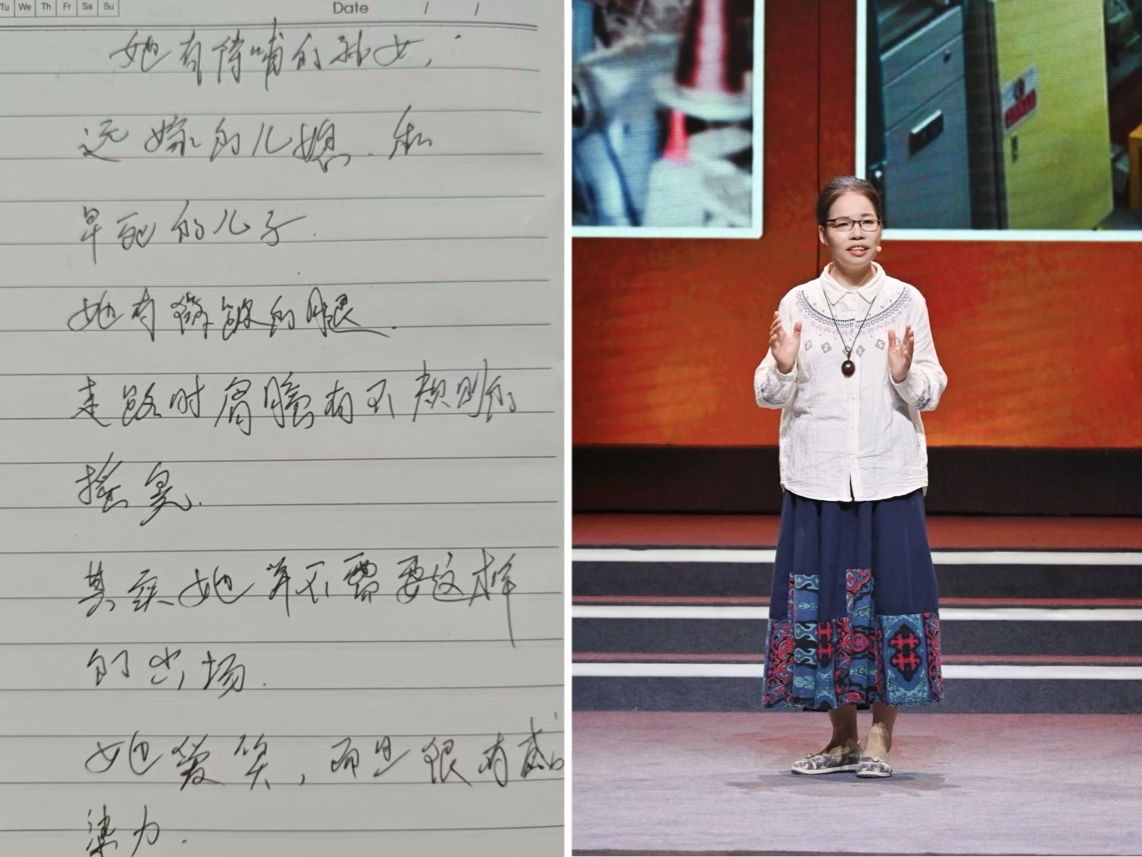
扫地的阿姨
她有待哺的孙女,远嫁的儿媳,和
早死的儿子
她还有微跛的腿,走路时肩膀有不规则的摇晃
其实她并不需要这样的出场
她爱笑,而且很有感染力
我喜欢看她拧开水瓶盖的动作
那里有悲伤,她总是拧得太紧
路面的垃圾扫了一遍又一遍
夜色落下来,盖住她弯曲的影子
别人看见干净街道
我看见她藏在瓶盖里,死死按住的泪水。
The Woman Who Sweeps the Street
She has a granddaughter to feed,
a daughter-in-law far away,
and a son who died too young.
She has a slight limp.
When she walks,
her shoulders rock
out of rhythm.
But she needs
no entrance like this.
She loves to smile.
Her smile spreads.
I like watching her twist
the cap off her water bottle.
There is grief in the gesture:
she always screws it on
too tight.
She sweeps the road
again and again.
Night falls over
her bent shadow.
Others see
a clean street.
I see the tears
she seals beneath the cap
and presses down hard.
画
由于用力,他显得有点倾斜
他庇护的丝瓜,空心菜,豆角
只有小量雨水,一个七十多岁的老人
在马路边,守着菜摊
他不会知道,在这刻
他做的是一件非常了不起的事情
气象台播报,台风蝴蝶过境,伴有雷暴雨
我不知道
为什么蝴蝶,总能让人想到美的事物
A Painting
Straining,
he tilts to one side.
He shelters loofahs,
water spinach, long beans.
A little rain.
A man in his seventies,
beside the road,
guarding his vegetable stall.
He will never know
that what he does
at this moment
is remarkable.
The weather report says:
Typhoon Wutip—
the Butterfly—
sweeps through
with thunder and rain.
I do not know
why butterflies
always bring beauty
to mind.
III.The Strength of Grass ·人间眼
Writing under the pen name Jiji Qiucao (Silent Autumn Grass), Wen often returns to images of grass and ash. In these poems, withered grass stands taller than before, and what remains after the fire is not only strength, but tenderness.
短歌一
生活最灰暗的时候
我看见房顶上有一株草
草已枯萎
却比嫩绿时站得更直
短歌二
我已褪去柔弱的部分
露出一身硬骨
你看风吹过来
不再弯腰和匍匐
短歌三
灰烬很轻
所有烈火熬过后
剩下的,都温柔
Short Song One
At the darkest point
in my life,
I saw a blade of grass
on the roof.
Withered,
it stood straighter
than it had in green.
Short Song Two
I have shed
what was soft in me,
bared the hard bones
beneath.
Look—
the wind comes.
I no longer bow
or crawl.
Short Song Three
Ash weighs little.
After all the fires
it has endured,
what remains
is gentle.
草黄黄
不要问她手上抓着什么
她什么都没有了
除了那些赋予她生命的文字
这一年东莞很冷
你若给她微笑
她会张开手掌
看,春天翻了个身
Yellow, Yellow Grass
Do not ask
what she holds
in her hand.
She has nothing left
except the words
that give her life.
Dongguan is cold
this year.
Offer her a smile
and she will open
her palm.
Look—
spring has turned
in its sleep.
荒草不荒
回来。沿着月下的虚线
草业上的剑齿,是我的前身
也有可能是胖嘟嘟的绒毛
纤弱,泛着光
我已褪去柔弱的部分,露出一身硬骨
你看,风吹过来
不再弯腰,和匍匐
Wild Grass, Unbowed
Come back.
Along the dotted line
under the moon.
The sword-teeth
on a blade of grass
were what I was before—
or perhaps
those puffs of down,
frail, catching light.
I have shed
what was soft in me,
bared the hard bones
beneath.
Look—
the wind comes.
I no longer bow
or crawl.