Issue 02|Liang Xia
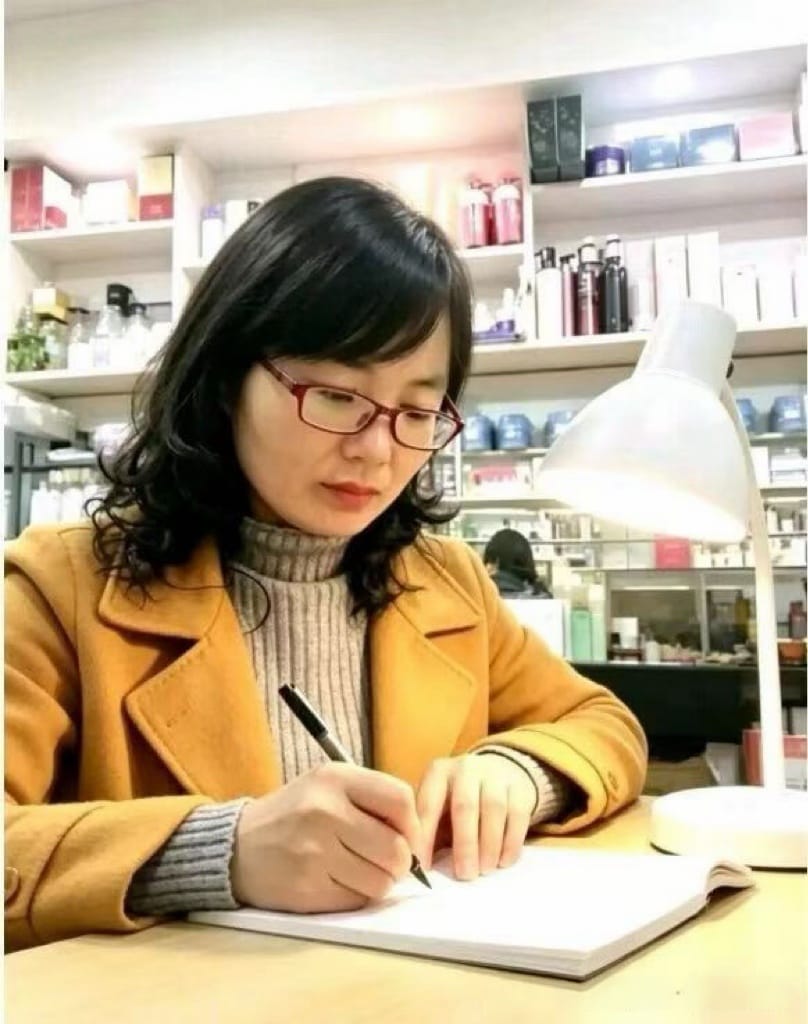
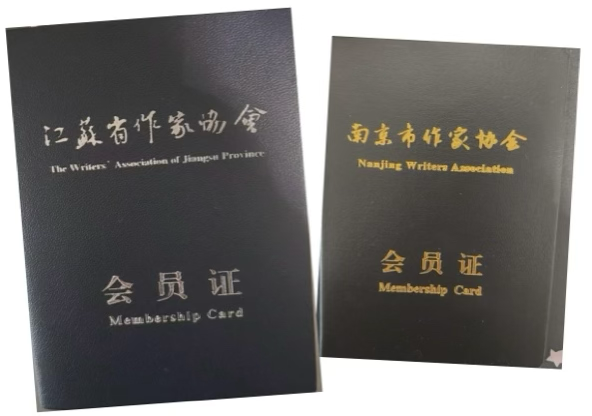
Liang Xia, writing under the pen name Qingying, is a Nanjing-based writer and member of the Jiangsu Writers Association. She began sharing her work on online forums, penning prose rooted in everyday life that touches on family ties, small daily moments, and the inner experiences of ordinary people. Her writing has appeared in a number of mainstream Chinese newspapers and literary journals.
She stepped away from writing for a long stretch of years to tend to family life. Near the age of fifty, she picked up her pen once more to pursue a literary dream she’d held onto all her life. She does not write in search of fame or gain. For her, writing is a quiet, lasting passion amid the busyness of daily life.
I. LEARNING TO WALK TOGETHER·互为学步
Liang Xia watches her daughter grow up and leave home, only to find one day that the roles have reversed. Now it is her daughter who takes her hand and wraps a scarf around her neck.
学 步
你咿咿呀呀的时候
我一刻也不敢离开
摇椅晃啊晃
你会说话的时候
为了生活
我离你万水千山
第一天
我睁眼到天亮
你的影子晃啊晃
你上学的时候
每天你背着书包
我却开始咿咿呀呀
你牵我走的时候
像当年我牵你那样
原来这一生
我们互为彼此的学步人
Learning to Walk
When you were babbling,
I never dared leave your side.
The rocking chair
swayed and swayed.
When you learned to speak,
to make a living
I went far, far from you.
That first night away,
I lay awake until dawn.
Your shadow
swayed and swayed.
When you started school,
day after day,
your schoolbag on your back—
But I began again
with sounds before words.
You took my hand
and led me,
as once I had led you.
Only then did I see:
all our lives,
we have been learning to walk
from one another.
背影,渐远亦渐近
她考去外地大学,我的牵挂又被拴在浦口车站。接她时提前买好烤肠,送站时反复叮嘱,车门关上的瞬间,总有泪水模糊的背影。
前几日降温,我穿薄外套站站台。左等右盼不见她,正当我开始疑惑不安时,突然后面有了一个热烈的拥抱。“怎么穿这么少?”原来女儿有预备地从后面迎接母亲的背影,接着,她解下自己的驼色围巾绕我脖子,一圈又一圈,带着她的体温和香水味……看着她踮脚整理围巾的样子,指尖划过脸颊,我忽然愣了——原来目送不是独角戏,背影也不是孤独的风景。
爱是轮回,我为你遮风,你给我挡雨。
A Figure Receding, Yet Drawing Near
When she went away to university, my heart was tethered once more to Pukou Station. I met her with a grilled sausage in hand and saw her off with reminder after reminder. The moment the doors slid shut, her receding figure would blur through my tears.
A few days ago, the weather turned cold. I stood on the platform in only a light jacket, watching and waiting, but there was no sign of her. I had begun to wonder—and to worry—when a pair of arms closed around me from behind.
“Is that all you’re wearing?”
So she had come up behind me on purpose. Then she unwound the camel-colored scarf from her neck and wound it round mine, round and round. The scarf carried her warmth and the scent of her perfume . . . She stood on tiptoe to settle it, and her fingertips brushed my cheek. I went still—
Only then did I understand: seeing someone off is no solo act; a receding figure is never alone in the frame.
Love comes full circle. I shielded you from the wind; now you shelter me from the rain.
II. TIME’S LINGERING SWEETNESS·岁月回甘
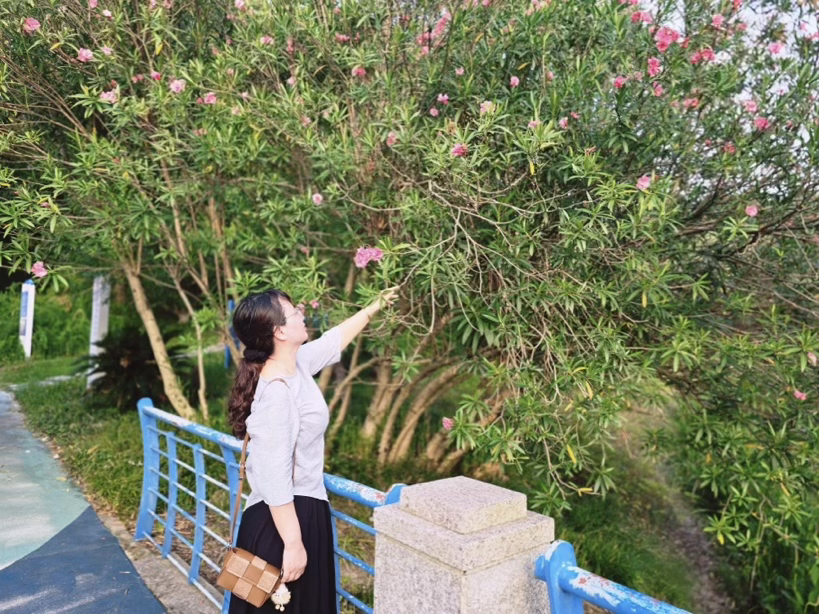
A cup of tea, a century egg, sweet potatoes grown by her grandfather. Through these familiar tastes, Liang Xia remembers the people she holds dear, the passing years, and the small gestures of love that have stayed with her.
茶香
你跨着车把
小小的我蜷在后座
天空飘着白云
风裹着你的笑
岁月小小地过去
阳光下你的银丝或隐或现
你笑着说我亦是大人
每次想你的时候
你总提前泡好一杯
茶叶在水里慢慢舒展
整间屋子都浸着茶香
我向你诉说岁月的烦闷
茶香袅袅
你说起了我不知道的不堪往事
此后 我总是贪恋你的茶,
和你的往事
也贪恋每次推开门,
都能看见你坐在茶炉边
和那一盅余温不散的牵挂。
The Scent of Tea
You at the handlebars,
little me curled on the back seat.
White clouds drifted overhead;
your laughter rode the wind.
Little by little, the years slipped by.
In the sunlight,
silver flickered through your hair.
You laughed and said
I was grown now too.
Whenever I missed you,
you already had the tea steeping.
The leaves unfurled in water;
the whole room steeped in the scent of tea.
I poured out the troubles of my days.
The scent of tea curled between us
as you spoke of hardships
I had never known you bore.
Ever since, I have longed for your tea,
for the past you shared,
for each opening of the door—
you by the tea stove,
the small cup at your side,
your care lingering in its warmth.
回甘
轻轻剥开皮蛋
灰衣褪尽
带着半透明的松花纹路
凝着瓷一样的通透光泽
一如你年轻时无瑕的脸庞
皮蛋的心,内里扎实
一点溏心在边缘慢慢漾
像当年的他站在槐树下
攥着皱巴巴的电影票
心口撞着 没说出口的话
一眼望到底
斗转星移
佐酒,便是人间至味
白水,便索然寡淡
酒喝过,水喝过
酸过,也苦过
那一丝回甘
便是此生最深的眷恋
The Sweetness That Returns
Gently peel the century egg:
its gray coat falls away,
revealing translucent pine-flower tracery,
a clear, porcelain gleam—
like your flawless face
when you were young.
The egg’s heart holds firm within,
a soft-set center pooling at the edge—
like him beneath the locust tree,
a crumpled movie ticket in his fist,
the words he could not speak
beating in his chest.
Clear through
at a glance.
Stars wheel; years turn.
With wine, the finest taste on earth;
with water, flat and plain.
Wine and water,
sour and bitter—
the tongue has known them all.
That trace of sweetness returning
is what this life holds dearest.
秋天的嘱咐
每年我们吃的山芋都是外公种出来的,每到秋天山芋能吃的时候,我便会想起他,要是他在的时候,该多好。外公从不会多说什么,但他知道我们爱吃山芋,总是在夏天的时候,为我们种上山芋苗,天干的时候,挑不动大桶的外公,就用两个小桶提着给它们浇水。我们的孝心还没有尽他就匆匆走了,而我们还有好多话没有跟他说。
长大了,一到秋天,母亲总是对体弱多病的我说要注意保暖,听烦的我也会对母亲说一句“知道了,不要再说了。”现在每当我长时间没有看到年迈的母亲,便觉得缺了点什么,没事的时候总喜欢和母亲坐在一起,听母亲说一些家长里短。
人生的路就像这天气一样,从春天走向秋天,从早晨走到晚上。每到秋天片片树叶落地的时候,我便会想起亲人对我的嘱咐,在每个冬日来临前让我感受到无比的温暖。
Autumn’s Reminders
Every year, Grandpa grew the sweet potatoes we ate. Each autumn, when they were ready to eat, I would think of him and wish he were still here.
Grandpa never said much. He knew how much we loved sweet potatoes, so every summer he planted sweet-potato slips for us. In dry spells, when the large water bucket had grown too heavy for him, he carried two small pails to the patch and watered the plants.
He left us before we had done enough for him, with so much still unsaid.
As I grew older, whenever autumn came, Mother would remind me to keep warm. I was frail and often ill. Tired of hearing it, I would say, “I know. You don’t have to keep telling me.”
Now, if I go too long without seeing my aging mother, I feel something is missing. Whenever I have the time, I sit with her and listen as she talks about family, neighbors, this and that.
Life moves like the weather: from spring toward autumn, from morning into evening. Each fall, as leaf after leaf touches the ground, I remember my loved ones’ reminders. They reach me before winter does and keep me warm.
III. WRITING FOR THE HEART·文字谋心
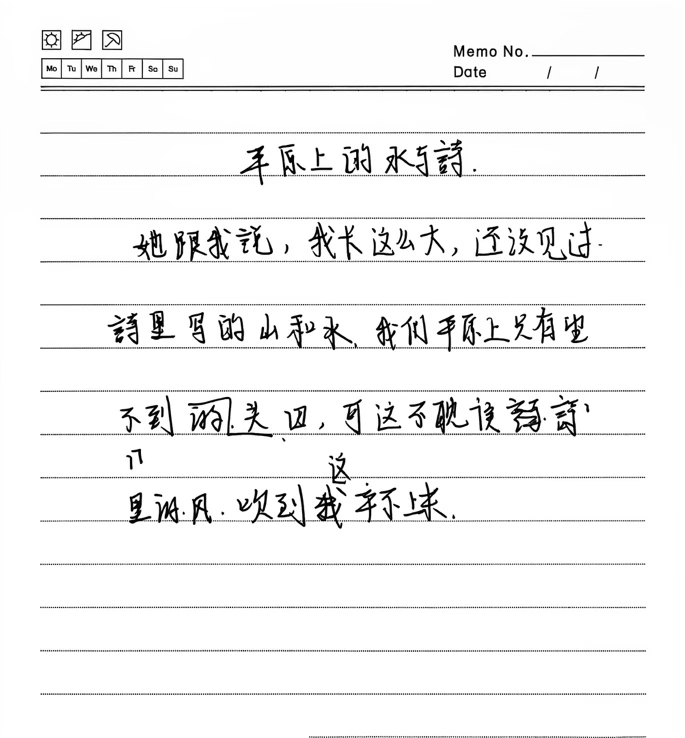
Liang Xia put writing aside to care for her family and returned to it years later. Here she looks back on the joy of seeing her words in print, the challenge of starting again, and why writing still matters to her.
我曾停笔,为生活赶考
写作的那时候,我格外容易满足。不在乎有没有稿费,也不计较能不能收到样刊,那时候我身处农村,本就很少能收到刊物样刊,甚至有好几家发表文章的平台,压根没给我汇过稿费。可我一点都不在意,只要能拿到一张发表证,看到自己的文字变成铅字,就已经开心得不得了。
我曾停笔,为生活赶考,从不后悔为家庭奔赴的每一段路,只是想起那段戛然而止的文字路,总会心生遗憾。
重拾写作真的很艰难,我也常常觉得自己语言生涩、表达笨拙。后来看过一位作家说过这样一句话:每天写一百字,坚持记录,到周末整理一下,就是一篇文章的素材。觉得生涩,无非是读得少、写得少,唯一的办法就是多读、多写。
生活是一场赶考,写作是一生热爱。
I Once Put Down My Pen to Take Life’s Test
Back when I was writing, it took little to make me happy. I did not care whether I was paid or sent a copy. I lived in the countryside then; such copies rarely reached me. Several publications carried my work without ever paying me. None of that mattered. A certificate of publication in my hands, my own words in print—that was enough.
I once put down my pen to face the test life set before me. I do not regret any road I took for my family. Still, whenever I think of that path through words, cut short, I feel the loss.
Returning to writing was hard. The words would not flow, and I struggled to say what I meant. Then I came across this advice from a writer: “Write a hundred words a day. Keep a record. At the end of the week, go through it, and you will have the makings of an essay.” If the words do not flow, it only means you have not read enough or written enough. The only way is to read more and write more.
Life is a test we keep taking; writing, a love that lasts a lifetime.
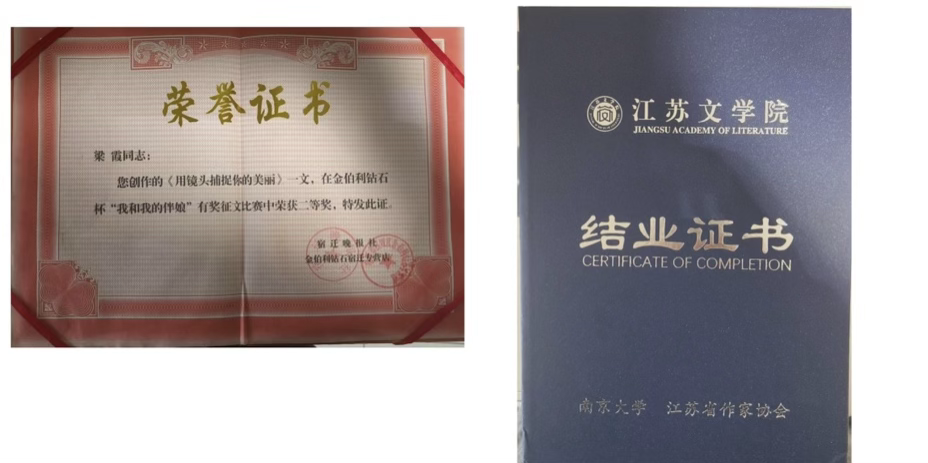
一张省作协证,却是我一辈子的热爱
我把一篇《面子与里子》投到北京青年报论坛,他们每周一公布发表结果。当我在名单里看到自己文章的时候,我真不敢相信,我一个普通人,竟然能在北京青年报发表文章。那天我高兴坏了,稿费80块,比现在多少钱都珍贵。 后来写《腌菜小记》,发在江苏工人报,稿费20块,我也特别开心。那时候发文章真快,今天投稿,明天、后天就能发,效率很高。
有的是论坛选稿推上去的,有的是我自己投的。再后来,我写亲情稿、读书稿、美食稿,我手写我心,写的都是心里话。有文友跟我说过一句话,我一直记到现在:写作不是一张白纸,要会渲染。不要只说小孩孤单,要写出夜晚、寒风、灯光下的样子。
文字不谋生,但谋心。往后余生,我会慢慢写,慢慢记录,慢慢走。
A Provincial Writers’ Association Card—and a Lifelong Love
I sent an essay, “Appearance and Substance,” to the Beijing Youth Daily forum. Every Monday, they posted the list of pieces they would publish. When I saw my essay on the list, I could hardly believe it—an ordinary person like me, with a piece in Beijing Youth Daily! I was beside myself that day. It earned me eighty yuan. That payment meant more to me than any sum could today.
Later, I wrote “Notes on Pickled Vegetables,” and Jiangsu Workers’ Daily published it. The fee was twenty yuan, and I was just as happy. Things moved fast then: you could submit a piece today and see it in print tomorrow or the day after.
Some were selected by forums and passed along; others I sent in myself. Later still, I wrote about family, books, and food. I wrote from the heart. I meant every word.
A fellow writer once told me something I have never forgotten: “You can’t leave the page bare; you have to bring the scene to life. Don’t just say a child is lonely. Give us the night, the cold wind, the child beneath the light.”
Writing does not make me a living; it keeps my heart alive. For the rest of my life, I will take my time—writing, keeping a record, walking on.